
Did You Know We Have 8 Senses? Why Interoception & Proprioception Are Key to Calmer Days
How Pediatric Occupational Therapy in Lexington & Cayce builds the brain-body connection.

Joy in the Journey Clinical Team
Lead Pediatric Occupational Therapists • Joy in the Journey
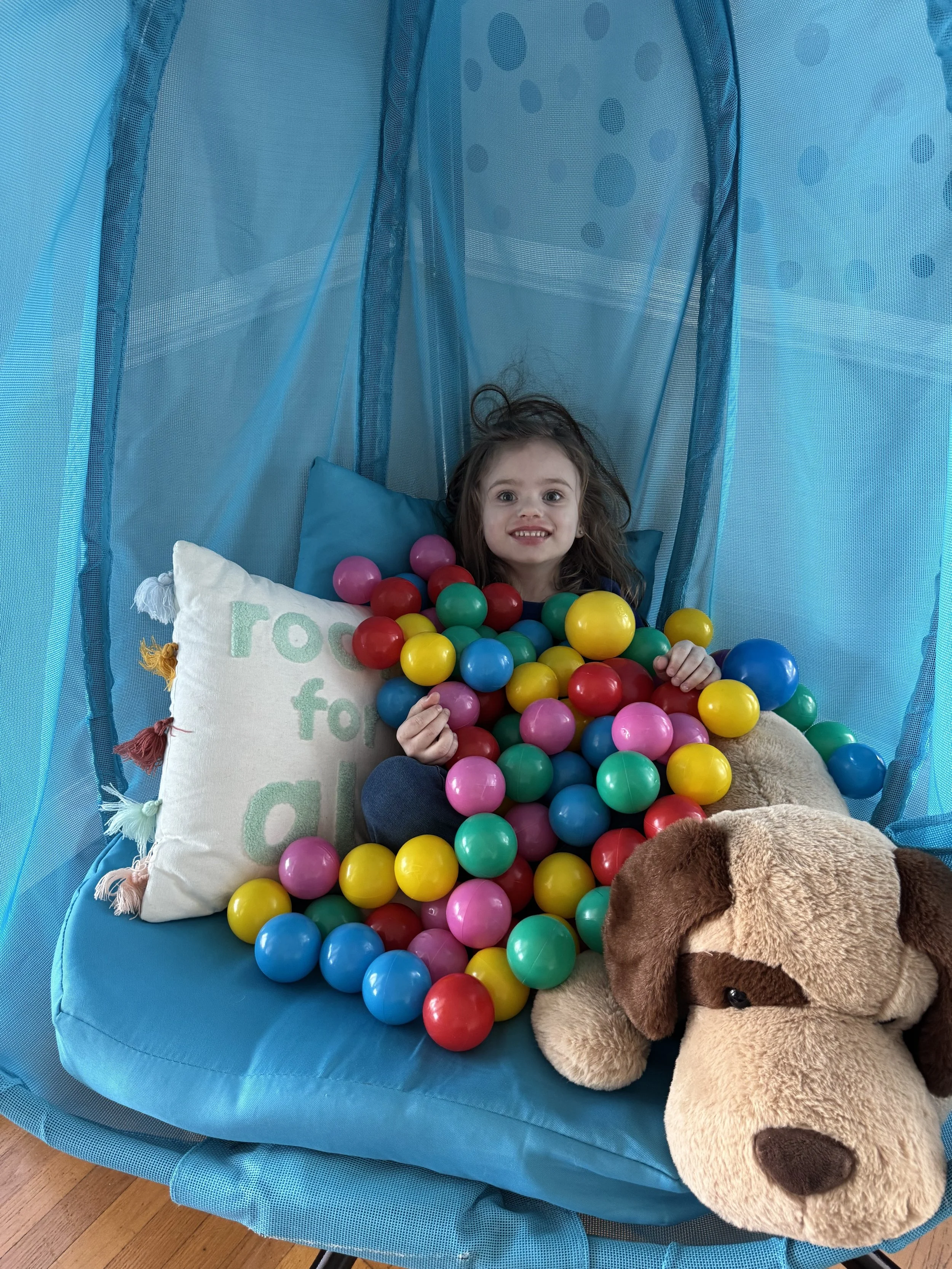
Looking Past the "Meltdown": What the Body is Trying to Tell Us
Have you ever watched your child crash repeatedly into sofa cushions, spin in circles until you feel dizzy just watching them, or suddenly dissolve into tears over a sock seam or a noisy room?
Too often, these moments are misunderstood as "behavior problems" or "defiance." In truth, these behaviors are almost always sensory signals. To understand why, we have to look beyond the five basic senses.
Meet the Hidden Three: Vestibular, Proprioceptive, and Interoceptive
In Ayres Sensory Integration (ASI®), we look at how the central nervous system registers, organizes, and responds to sensory input:
- Vestibular Sense (Balance & Movement): Located in the inner ear. It tells the brain where the head is in space, whether we are moving or still, and keeps our eyes steady while our bodies move.
- Proprioceptive Sense (Body Awareness): Sensors embedded in muscles and joints that provide "heavy work" feedback. Proprioception acts like a natural biological brake, helping lower fight-or-flight arousal.
- Interoception (The Internal Sense): Processed deep in the insular cortex of the brain. It lets children perceive hunger, thirst, heartbeat, pain, bathroom urgency, and the physical sensations tied to big emotions.
🌿 Perry’s Neurosequential Principle: Regulate First
You cannot reason with an upset child until their brainstem and sensory systems feel calm and safe. Regulate $ ightarrow$ Relate $ ightarrow$ Reason. Connection and sensory support must always precede lectures!
Inside Our Sensory Gyms in Lexington & Cayce
Step inside a Joy in the Journey clinic and you won’t find boring desks or worksheets. You will find platform swings, rock walls, bolster swings, crash pads, and customized sensory equipment.
Our licensed Occupational Therapists engineer the "just-right challenge"—pairing vestibular movement with soothing proprioceptive input to help your child develop bilateral coordination, fine motor dexterity, and lasting emotional resilience.
We work with children experiencing sensory sensitivity, coordination difficulties, motor planning delays, and neurodivergent differences, empowering them with lifelong self-regulation tools.

About Joy in the Journey Pediatric Therapy
Joy in the Journey is a therapist owned and operated multidisciplinary pediatric therapy company in Lexington and Cayce, South Carolina. We walk hand-in-hand with families as they navigate through the unknown twists and turns of their child’s development while helping them find joy along the way.
Schedule a Pediatric Speech or OT Evaluation
Our clinics in Lexington and Cayce accept SC Medicaid and major private insurance plans. Contact our intake coordination team today to check availability and tour our sensory gyms.
More Clinical Insights for Families
Does Your Child Repeat Lines from Movies? Why Scripting is Real, Meaningful Communication
If your toddler repeats songs, YouTube videos, or phrases from Disney movies, they aren’t "just repeating"—they are a Gestalt Language Processor! Discover how Natural Language Acquisition helps them communicate naturally.
Giving Every Child a Voice: Why Waiting for "Prerequisites" for Speech Devices is a Myth
Does using a speech device stop a child from talking? Do they need to understand symbols or reach a certain age first? The clinical research is clear: AAC never hinders natural speech—it accelerates connection.